Selling a house that needs major repairs
Foundation cracks, an old roof, outdated electrical, years of deferred maintenance. Fixing everything before listing costs money and time. Here's how to decide.
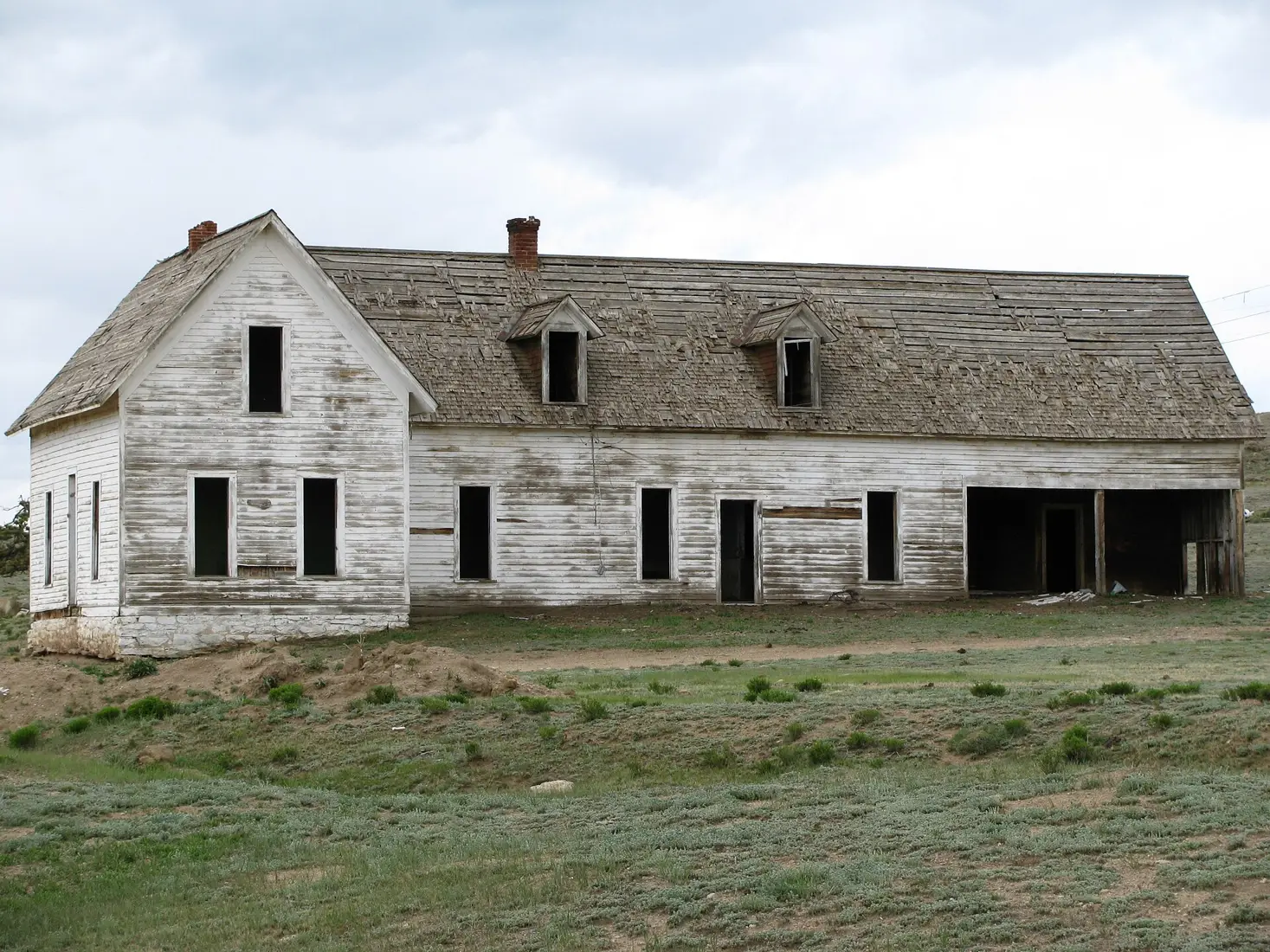
Fix, partly fix, or sell as-is
Get one or two contractor estimates for the big items. Then compare three numbers: what the house would sell for fixed, minus repairs and months of holding costs; what it might sell for as-is on the open market; and a cash offer. Our calculator does the first comparison with your numbers.
Why traditional buyers struggle with these homes
Many buyers use mortgages, and lenders and appraisers often require major safety or structural problems to be fixed before they'll lend. That's why houses with serious issues often sell to cash buyers or investors.
Disclosure still applies
"As-is" means you won't make repairs. It doesn't mean you can hide known problems. Most states require sellers to disclose known material defects, and for homes built before 1978 federal law requires lead-based paint disclosures (see the EPA's page).
How cash buyers price a fixer-upper
Investors usually work backwards from what the home would be worth fixed up, then subtract repair costs, holding and selling costs, and their profit. That's why an as-is cash offer is lower than the after-repair value. What you get in return is speed, certainty and no repair bills.
Questions
Do I have to clean or repair anything before selling for cash?
Generally no. That's the main point of an as-is cash sale. Take what you want and leave the rest, if the buyer agrees to it in the contract.
Do I still have to disclose problems if I sell as-is?
Usually yes. Disclosure rules depend on your state, and the federal lead-paint disclosure applies to homes built before 1978.
Official sources
General information, not legal, tax or financial advice. Rules vary by state; talk to a licensed professional about your situation.